
Eating Disorders & Athletes
Eating disorders affect all populations, but athletes are uniquely susceptible due to performance anxiety and pressures, high levels of competition, and sports that are more weight-sensitive.
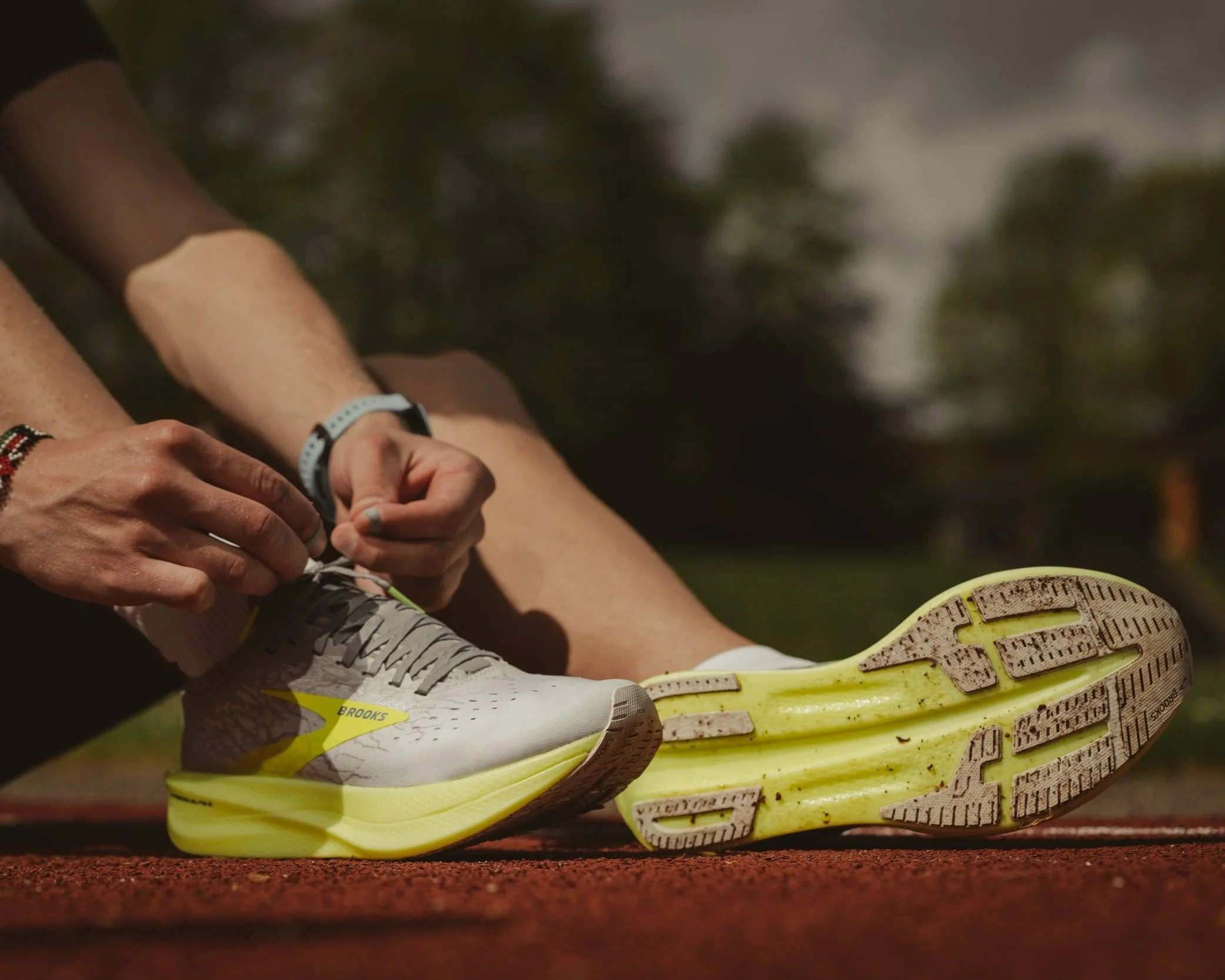
Why are eating disorders more prevalent in athletes?
Athletics are a great way to build self-esteem, promote physical conditioning, and demonstrate the value of teamwork, but not all athletic stressors are positive. The pressure to win and an emphasis on body weight and shape can create a toxic combination. Athletic competition can also be a factor contributing to severe psychological and physical stress. When the pressures of athletic competition are added to an existing cultural emphasis on thinness, the risks increase for athletes to develop disordered eating.
In a study of Division 1 NCAA athletes, over one-third of female athletes reported attitudes and symptoms placing them at risk for anorexia nervosa. Though most athletes with eating disorders are female, male athletes are also at risk—especially those competing in sports that tend to place an emphasis on the athlete’s diet, appearance, size, and weight requirements, such as wrestling, bodybuilding, crew, and running.
Frequently Asked Questions
-
Despite the misconception that eating disorders only affect young, white females, eating disorders do not discriminate. Anorexia can affect people of all ages, genders, sexual orientations, races, and ethnicities.
-
Each person will have a unique journey to recover from their eating disorder. Working with a therapist will allow you to understand the role of your eating disorder and to learn how to cope healthily without relying on your disordered behaviors. Additionally, you may work with a physician, psychiatrist, and/or dietitian to address all areas of your wellbeing.
-
Therapy can be a beneficial resource for many people, but is especially helpful for those in recovery from an eating disorder. While there are many reasons, some of the main ones include understanding the factors that led to the development of their eating disorder, treating co-occurring condition such as anxiety, depression, or mood disorders, developing a better self-esteem and building confidence, addressing body image concerns, address family issues and strengthen relationships, and building coping skills to maintain recovery.
-
Yes, absolutely! We are happy to work with clients stepping down from higher level of care that are looking for support to continue their recovery journey.
-
Meeting with a therapist and discussing the thoughts and behaviors you are experiencing is the first step to diagnosing an eating disorder.
-
Eating disorders including anorexia are believed to result from a combination of biological, environmental, and social factors. A useful way of thinking about what causes an eating disorder is to distinguish predisposing, precipitating and perpetuating factors that contribute to its onset and maintenance.
-
Simply finding yourself on this page means there may be a small part of you that may be ready to recover. We welcome you to book an appointment with one of our therapists to discuss where you are and provide an opportunity to explore what recovery means and what you may be fearful of.
Risk Factors for Athletes
Sports that emphasize appearance, weight requirements, or muscularity (gymnastics, diving, bodybuilding, or wrestling).
Sports that focus on the individual rather than the entire team (gymnastics, running, figure skating, dance or diving, versus teams sports such as basketball or soccer).
Endurance sports such as track and field, running, swimming.
Overvalued belief that lower body weight will improve performance.
Training for a sport since childhood or being an elite athlete.
Low self-esteem; family dysfunction (including parents who live through the success of their child in sport); families with eating disorders; chronic dieting; history of physical or sexual abuse; peer, family and cultural pressures to be thin, and other traumatic life experiences.
Coaches who focus primarily on success and performance rather than on the athlete as a whole person.
Three risk factors are thought to particularly contribute to a female athlete’s vulnerability to developing an eating disorder: social influences emphasizing thinness, performance anxiety, and negative self-appraisal of athletic achievement. A fourth factor is identity solely based on participation in athletics.
Want to learn more about eating disorders?
Ready to recover from your eating disorder?
Schedule an appointment to meet with one of our therapists. Let’s work together to help you navigate recovery so you can be more connected to yourself, others, and the life you want to live.